
What Is OPD in a Hospital / Medical Centre?
When visiting a hospital / Medical Centre for the first time, many patients hear terms such as OPD, IPD, consultation, diagnostic tests, and specialist appointments. Among these, OPD is one of the most commonly used healthcare terms, yet many people are not fully aware of what it means.
Whether you need a routine health checkup, consultation with a specialist, follow-up treatment, or preventive healthcare services, your healthcare journey often begins at the OPD.
Understanding what OPD, how it works, and when to use OPD services can help patients make better healthcare decisions and save time during hospital visits. For patients seeking quality healthcare in Mumbai, OPD departments play a critical role in providing accessible, affordable, and efficient medical care without requiring hospitalization.
OPD in Hospital
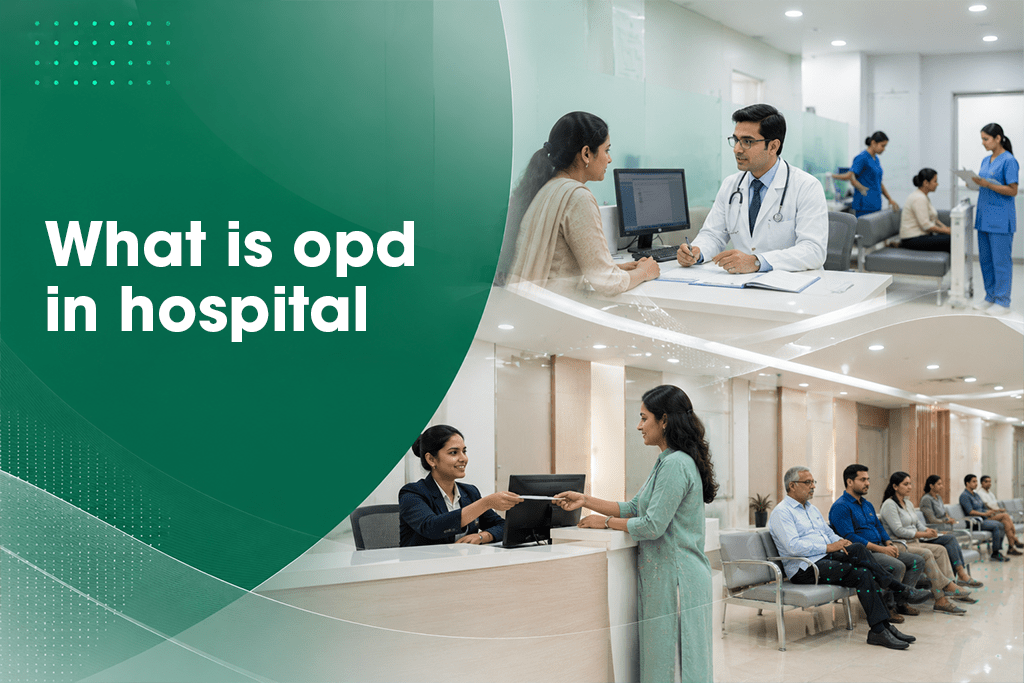
OPD (Outpatient Department) is the section of a hospital / Medical Centre where patients receive medical consultation, diagnosis, treatment, follow-up care, and minor procedures without being admitted to the hospital. According to the World Health Organization, outpatient care refers to medical services provided without hospital admission
In simple terms:
- Patients visit the hospital / Medical Centre
- Consult a doctor
- Receive treatment or advice
- Return home the same day
Most routine healthcare services are provided through OPD services.
What Is OPD?
OPD refers to the department where patients receive medical consultation, diagnosis, treatment, and follow-up care without being admitted to the hospital.
For example, if someone visits a doctor for fever, diabetes management, chest pain evaluation, dental consultation, physiotherapy services or a routine health checkup and returns home the same day, that care is provided through the OPD.
Why Is OPD Important in Healthcare?
OPD services form the foundation of healthcare delivery. They help hospitals manage a large number of patients efficiently while reducing the burden on inpatient facilities. following are the benefits of OPD
Benefits of OPD Services
- Early disease detection
- Affordable medical consultation
- Access to specialist doctors
- Preventive healthcare support
- Regular follow-up care
- Reduced hospitalization requirements
- Convenient healthcare access
For many patients in Mumbai, OPD services are the most frequently used healthcare resource.
How Does an OPD Work?
Understanding the patient journey helps reduce confusion during hospital visits.
Step 1: Registration
Patients register at the reception or online appointment portal. Many in Mumbai now offer digital registration systems for faster processing.
Step 2: Doctor Consultation
The patient meets the appropriate doctor or specialist. The doctor evaluates symptoms, medical history, and current health concerns.
Step 3: Clinical Examination
A physical examination may be conducted to assess the patient’s condition. Additional investigations may be recommended if necessary.
Step 4: Diagnostic Tests
Depending on symptoms, doctors may recommend:
- Blood tests
- ECG test
- 2D Echo test
- Stress Test
- X-ray
- CT scan
- Ultrasound
- Pulmonary function tests
Step 5: Diagnosis and Treatment
Based on findings, the doctor provides:
- Medication
- Lifestyle recommendations
- Therapy plans
- Further investigations
- Referral to specialists
Step 6: Follow-Up Visit
Patients may be advised to return for monitoring and progress evaluation.
Types of OPD Services in Medical Centre
We provide a wide range of OPD services.
General Medicine OPD
This department manages common illnesses and chronic conditions.Patients commonly visit for General Medicine Services.
- Fever
- Infections
- Hypertension
- Diabetes
- General health concerns
- Cardiology OPD
Cardiology Services are provided to patients with heart-related symptoms along with Preventive Heart Health Checkup, ECG Test , 2D Echo Test .
Common reasons include:
- Chest pain
- Palpitations
- High blood pressure
- Heart disease screening
Orthopedic OPD
Orthopedic Services focuses on bones, Joint Pain Treatment, muscles, and mobility issues.Common conditions include:
- Back pain
- Knee pain
- Sports injuries
- Arthritis
Dental OPD
Dental OPD services help patients maintain oral health. Dental Services may include:
- Dental consultation
- Root canal treatment
- Dental implants
- Teeth cleaning
- Cosmetic dentistry
Diagnostic Services – Pathology and Radiology
- Blood tests
- ECG test
- 2D Echo test
- Stress Test
- X-rays including Dental OPG
- CT scan
- Ultrasound
- Pulmonary function tests
Physiotheraphy OPD
- Lower back pain
- Sciatica
- Frozen shoulder
- Knee osteoarthritis
- Sports injuries
- Neck pain
- Meniscus injuries
- Tendon disorders
- Postural problems
ENT OPD
ENT specialists manage conditions involving:
- Ear infections
- Nose disorders
- Throat problems
- Sinus issues
- Hearing difficulties
Ophthalmology OPD
Eye specialists provide diagnosis and treatment for vision-related issues. Eye Care (Ophthalmology) Services
include:
- Vision testing
- Cataract evaluation
- Glaucoma screening
- Eye infection treatment
OPD vs IPD: Understanding the Difference
Many patients confuse OPD with IPD. Understanding the distinction is important.
Feature | OPD | IPD |
Full Form | Outpatient Department | Inpatient Department |
Admission Required | No | Yes |
Overnight Stay | No | Yes |
Consultation | Yes | Yes |
Treatment | Basic to Moderate | Advanced |
Surgery | Usually No | Often Yes |
Cost | Lower | Higher |
Recovery Monitoring | Limited | Extensive |
OPD is for consultation and same-day treatment. IPD is for patients requiring hospitalization and intensive care.
Common OPD Services Offered in Mumbai
The OPD department at Manubhai Shah Medical & Research Centre is designed to provide convenient access to experienced doctors, specialist consultations, diagnostic services and comprehensive healthcare services under one roof. They provide:
- Doctor consultations
- Health checkup packages
- Diagnostic testing
- Chronic disease management
- Preventive healthcare
- Specialist consultations
- Minor procedures
- Diet and nutrition counseling
- Physiotherapy consultations
These services help patients receive timely care without hospital admission.
Benefits of OPD Services
OPD consultations are generally more economical compared to inpatient treatment. Patients only pay for required services and consultations.
Faster Access to Doctors
Appointments are often available without lengthy hospitalization procedures.
Early Detection of Diseases
Routine OPD visits can identify medical issues before they become severe.
Better Chronic Disease Management
Patients with diabetes, hypertension, asthma, and thyroid disorders benefit from regular follow-up visits.
Convenience
Most patients complete their consultation and return home the same day.
Challenges of OPD Services
High Patient Volume
Popular hospitals in Mumbai may experience long waiting times.
Limited Consultation Time
Busy schedules can reduce doctor-patient interaction time.
Follow-Up Compliance Issues
Some patients fail to attend recommended follow-up visits.
Diagnostic Delays
Additional testing may occasionally delay final diagnosis.
Who Should Visit an OPD?
Many health concerns can be managed through OPD services. You should consider visiting an OPD if you experience:
- Persistent fever
- Cough lasting more than two weeks
- Chest discomfort
- Joint pain
- Digestive problems
- Skin conditions
- Eye irritation
- Dental pain
- Blood pressure concerns
- Diabetes symptoms
Early medical evaluation often leads to better treatment outcomes.
Cost of OPD Services in Mumbai
OPD consultation costs vary depending on the hospital, doctor experience, and specialty.
Service | Approximate Cost |
General Physician Consultation | ₹500 – ₹2,000 |
Specialist Consultation | ₹800 – ₹3,500 |
Cardiology Consultation | ₹1,000 – ₹4,000 |
Orthopedic Consultation | ₹800 – ₹3,000 |
Dental Consultation | ₹300 – ₹1,500 |
ENT Consultation | ₹500 – ₹2,500 |
Eye Specialist Consultation | ₹500 – ₹2,500 |
Additional diagnostic tests may incur separate charges.
How OPD Services Support Preventive Healthcare
Modern healthcare is not only about treating illnesses. It also focuses on prevention. OPD services support preventive healthcare through:
- Annual health checkups
- Cancer screening
- Cardiac screening
- Diabetes monitoring
- Lifestyle counseling
- Weight management programs
Regular preventive care can reduce future healthcare costs and improve long-term health outcomes.
Why OPD Services Are Important for Mumbai Residents
Mumbai’s fast-paced lifestyle often results in stress, sedentary habits, irregular eating patterns, and chronic health conditions. Quality OPD services help residents access timely medical care without disrupting their daily schedules.
Patients can consult specialists, undergo diagnostic testing, and receive treatment efficiently. For working professionals, senior citizens, and families, OPD services remain one of the most accessible healthcare solutions.
Conclusion
Understanding what OPD is helps patients navigate the healthcare system more effectively. OPD services provide consultation, diagnosis, treatment, preventive care, and follow-up support without requiring hospital admission.
Choosing the right hospital OPD can make a significant difference in your healthcare experience. With a patient-first approach, experienced specialists, and integrated diagnostic support, Manubhai Shah Medical & Research Centre continues to help individuals and families in Mumbai access quality medical care with confidence.
FAQ
- What isOPD?
OPD stands for Outpatient Department, where patients receive medical care without hospital admission.
- What are OPD services?
OPD services include consultations, diagnosis, treatment, follow-up care, and preventive healthcare.
- Is OPD different from emergency care?
Yes. OPD handles scheduled consultations, while emergency departments manage urgent medical conditions.
- Can diagnostic tests be performed through OPD?
Yes. Many diagnostic investigations are ordered and completed through OPD services.
- Do patients stay overnight in OPD?
No. Patients return home after treatment or consultation.
- What is the purpose of an OPD?
The purpose is to provide accessible healthcare without requiring hospitalization.
- Who can visit an OPD?
Anyone seeking medical advice, diagnosis, treatment, or preventive healthcare can visit an OPD.
- What specialists are available in OPD?
Cardiologists, Orthopedic specialists, ENT doctors, Dentists, Ophthalmologists, Physiotherapists and Physicians commonly provide OPD services.
- Is OPD treatment affordable?
Yes. OPD care is generally less expensive than inpatient treatment.
- Can chronic diseases be managed through OPD?
Yes. Diabetes, hypertension, thyroid disorders, and asthma are commonly managed through OPD visits.
- How do I book an OPD appointment?
Appointments can usually be booked online, by phone, or directly at the hospital.
- Are health checkups conducted through OPD?
Yes. Most preventive health screenings begin in the OPD department.
- What documents should I bring to an OPD visit?
Carry identification, previous prescriptions, test reports, and insurance details if applicable.
- How often should I visit an OPD for preventive care?
Annual health checkups are recommended for most adults, though frequency varies based on health conditions.
- Why are OPD services important?
They improve healthcare accessibility, support early diagnosis, and reduce the need for hospitalization.