

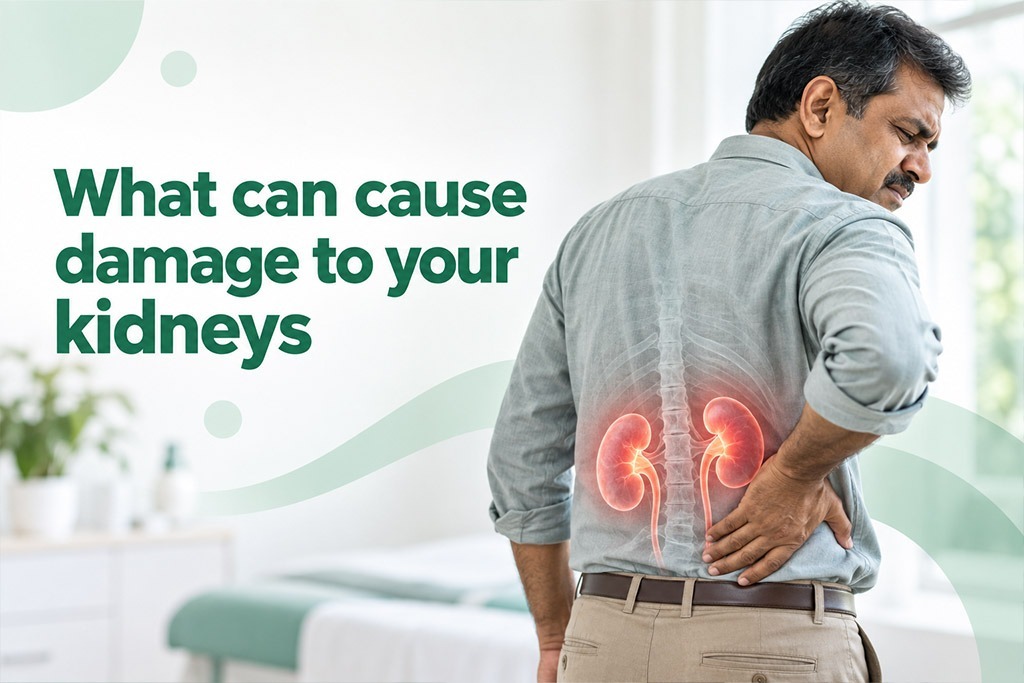
If you are wondering what causes kidney damage, the most common causes of long-term kidney disease in adults are diabetes and high blood pressure. Kidney damage can also result from dehydration, infections, kidney stones or urinary blockage, certain medicines, autoimmune and inherited conditions, severe infections, and acute kidney injury. At MS Medical Research Centre , understanding these risks can help patients recognize when kidney evaluation may be appropriate.
Kidney disease can develop gradually and may cause few or no noticeable symptoms in its early stages. This means you can have kidney damage without realizing it. For people at increased risk, appropriate blood and urine testing can help detect kidney problems earlier.
How Common Is Chronic Kidney Disease in India?
Chronic kidney disease (CKD) is an important health concern in India, and its prevalence varies across regions and populations.
A 2025 systematic review and meta-analysis of community-based studies from India estimated the pooled prevalence of CKD at 13.24% among the populations included in the reviewed studies. The analysis included 18 community-based studies published between 2011 and 2023 and found substantial variation between regions and studies.
More recently, the ICMR-INDIAB study published in the Indian Journal of Medical Research in 2025 evaluated 25,408 people across India and found that 3.2% had impaired kidney function, defined in the study as an estimated glomerular filtration rate (eGFR) below 60 mL/min/1.73 m². The prevalence was 3.3% in urban areas and 3.2% in rural areas.
The same ICMR-INDIAB analysis found that people with type 2 diabetes had a higher risk of impaired kidney function, while individuals who had both type 2 diabetes and hypertension had approximately six times the risk compared with people without these conditions in the study population.
These findings highlight why people with diabetes or high blood pressure may benefit from appropriate kidney-function testing, even when they do not have obvious symptoms.
What Causes Kidney Damage?
The causes of kidney damage can be different depending on whether the problem develops suddenly or gradually.
Major causes and risk factors include:
- Diabetes
- High blood pressure
- Acute kidney injury
- Severe dehydration
- Kidney infections
- Kidney stones
- Urinary tract obstruction
- Certain medicines, particularly inappropriate or prolonged NSAID use
- Autoimmune kidney diseases
- Glomerular diseases
- Polycystic kidney disease and other inherited conditions
- Cardiovascular disease
- Obesity
- Smoking
- Severe infections or sepsis
- Repeated episodes of kidney injury
Some of these cause direct kidney damage, while others increase the risk of kidney disease or can worsen existing kidney problems.
Diabetes and Kidney Damage
Diabetes is the most common cause of chronic kidney disease in adults. Persistently high blood glucose can damage the small blood vessels and filtering structures in the kidneys.
This condition is known as diabetic kidney disease.
The damage usually develops gradually. A person may have significant kidney changes without feeling unwell.
The risk can be higher when diabetes is accompanied by:
- High blood pressure
- Poorly controlled blood glucose
- Smoking
- Overweight or obesity
- Physical inactivity
- Heart disease
- A family history of kidney disease
The relationship between diabetes and kidney health is also supported by Indian population data. The ICMR-INDIAB study found that type 2 diabetes was associated with a significantly higher risk of impaired kidney function in its nationally representative Indian study population. The risk was substantially higher among participants who had both type 2 diabetes and hypertension.
This makes regular monitoring of kidney function particularly relevant for people living with diabetes, especially when diabetes occurs alongside high blood pressure.
How can diabetes affect the kidneys?
Over time, high blood sugar can damage the kidney’s filtering system. Protein such as albumin may begin to leak into the urine, and kidney filtering capacity can gradually decline.
If you have diabetes, ask your healthcare provider about regular kidney testing.
Can High Blood Pressure Damage the Kidneys?
Yes. Long-term high blood pressure can damage the blood vessels and filtering structures in the kidneys.
Your kidneys depend on healthy blood vessels to filter blood properly. When blood pressure remains high over time, these vessels can become damaged, reducing kidney function.
There is also a two-way relationship:
High blood pressure → kidney damage → reduced kidney function → blood pressure may become harder to control.
This is one reason controlling blood pressure is an important part of protecting kidney health.
In India, hypertension is a major metabolic risk factor associated with impaired kidney function. The ICMR-INDIAB study found that people with hypertension had an increased risk of impaired kidney function, with the risk being substantially higher when hypertension occurred together with type 2 diabetes.
Can Dehydration Damage the Kidneys?
Severe dehydration can contribute to acute kidney injury by reducing blood flow to the kidneys.
Dehydration can occur because of:
- Severe diarrhea
- Repeated vomiting
- High fever
- Heavy sweating
- Heat exposure
- Inability to drink enough fluids
The risk can be greater if you already have kidney disease or take medicines that affect kidney function.
Dehydration can also become more concerning when combined with NSAIDs or certain other medicines. NIDDK notes that NSAIDs can cause acute kidney injury when taken during dehydration or low blood pressure.
However, drinking excessive amounts of water is not a way to prevent kidney disease. People with advanced kidney or heart conditions may actually need individualized fluid limits.
Follow your doctor’s advice about fluid intake.
Can Kidney Infections Damage the Kidneys?
A urinary infection can sometimes spread to the kidneys and cause pyelonephritis, a kidney infection.
Possible symptoms include:
- Fever
- Chills
- Pain in the back or side
- Painful urination
- Frequent urination
- Nausea or vomiting
A urinary infection should not be repeatedly ignored, particularly if you develop fever, flank pain or feel seriously unwell.
NIDDK recommends seeking medical care for a urinary tract infection because untreated infection can cause kidney damage in some circumstances.
Can Kidney Stones Damage the Kidneys?
Kidney stones do not automatically cause permanent kidney damage.
However, a stone can sometimes block the normal flow of urine. Significant or prolonged obstruction can place pressure on the urinary system and impair kidney function.
Seek medical attention if you have a kidney stone accompanied by:
- Severe pain
- Fever
- Chills
- Repeated vomiting
- Blood in the urine
- Difficulty passing urine
People who experience recurrent kidney stones may also need evaluation to understand why the stones are forming and how to reduce the risk of recurrence.
Can Urinary or Prostate Problems Affect the Kidneys?
Yes.
A blockage in the urinary tract can prevent urine from draining normally.
Possible causes include:
- Kidney stones
- Ureteric stones
- Enlarged prostate
- Urethral narrowing
- Certain tumors
- Structural abnormalities
If obstruction persists, it can affect kidney function.
Men who develop persistent difficulty starting urination, weak urine flow, incomplete bladder emptying or frequent nighttime urination should discuss these symptoms with a healthcare professional.
What Medicines Can Damage the Kidneys?
Some medicines can affect kidney function, especially when they are:
- Taken at high doses
- Used for a long time
- Taken incorrectly
- Used during dehydration
- Combined with certain other medicines
- Taken by someone with existing kidney disease
The risk depends on the medicine, dose, duration and the person’s health.
NSAIDs and Kidney Damage
Nonsteroidal anti-inflammatory drugs (NSAIDs) are an important example.
Common NSAIDs include:
- Ibuprofen
- Naproxen
NIDDK states that NSAIDs can damage the kidneys and may cause acute kidney injury, particularly when used for a long time or during dehydration or low blood pressure. People with CKD, diabetes or high blood pressure may have additional risk.
This does not mean that every person taking an NSAID will develop kidney damage.
It also does not mean you should stop a prescribed medicine on your own.
If you regularly take painkillers, speak with your doctor or pharmacist about whether they are appropriate for you.
Can Supplements or Herbal Products Damage the Kidneys?
Some supplements and herbal products can affect kidney function or interact with medicines.
The risk depends on:
- Ingredients
- Dose
- Duration of use
- Product quality
- Existing kidney function
- Other medicines you take
The fact that a product is labelled “natural” or “herbal” does not automatically mean it is safe for your kidneys.
If you have kidney disease, diabetes, high blood pressure or take multiple medicines, discuss supplements with your healthcare professional before using them regularly.
What Causes Acute Kidney Injury?
Acute kidney injury (AKI) is a sudden reduction in kidney function that develops over a short period, often hours or days.
Common causes include:
- Severe dehydration
- Major blood loss
- Very low blood pressure
- Severe infection or sepsis
- Certain medicines
- Urinary obstruction
- Serious illness
- Major surgery
- Conditions that directly injure the kidneys
Acute kidney injury can sometimes improve substantially when the underlying cause is treated.
However, severe AKI or repeated episodes can increase the risk of long-term kidney problems.
NIDDK lists acute kidney injury among the conditions that can contribute to chronic kidney disease.
What Causes Chronic Kidney Disease?
Chronic kidney disease develops over time.
The major chronic kidney disease causes in adults include:
Diabetes
High blood glucose can damage the kidney’s filtering structures.
High blood pressure
Persistent hypertension can damage kidney blood vessels and the filtration system.
Glomerular diseases
These conditions affect the tiny filtering units of the kidneys, called glomeruli.
Examples include:
- IgA nephropathy
- Focal segmental glomerulosclerosis
- Membranous nephropathy
Autoimmune diseases
Conditions such as lupus can cause inflammation that affects the kidneys.
Inherited kidney conditions
Polycystic kidney disease (PKD) is an inherited condition in which cysts develop in the kidneys and can progressively affect kidney function.
Previous acute kidney injury
A severe or repeated episode of AKI can contribute to long-term kidney problems.
Other causes can include certain cancers, kidney-toxic substances and other systemic conditions.
Cardiovascular Disease and Kidney Damage
Your heart and kidneys are closely connected.
Conditions such as:
- Heart disease
- Heart failure
- High blood pressure
- Atherosclerosis
can affect blood flow and pressure throughout the body and increase kidney disease risk.
Kidney disease can also increase cardiovascular risk.
This relationship is one reason kidney health should not be considered separately from heart health.
Can Obesity Damage the Kidneys?
Obesity does not mean that a person will automatically develop kidney disease.
However, excess weight is associated with conditions such as:
- Diabetes
- High blood pressure
- Cardiovascular disease
which are important kidney disease risk factors.
Maintaining a healthy weight, staying physically active and managing blood pressure and blood glucose can therefore support overall kidney health.
Can Smoking Affect Kidney Health?
Smoking is harmful to blood vessels and increases cardiovascular risk.
Because kidney function depends on a healthy blood supply, smoking can contribute to factors associated with kidney disease and may worsen existing health risks.
If you smoke, quitting can benefit your kidneys as well as your heart, lungs and overall health.
Everyday Habits That May Harm Your Kidneys
Some everyday habits can increase kidney risk, particularly when they contribute to dehydration, high blood pressure, diabetes or medication-related kidney injury.
Not drinking enough fluids when you need them
During vomiting, diarrhea, fever or heavy sweating, not replacing lost fluids can contribute to dehydration and acute kidney injury.
Eating too much salt
A high-sodium diet can contribute to high blood pressure, which is an important risk factor for kidney disease.
Smoking
Smoking affects blood vessels and increases cardiovascular risk.
Excessive alcohol consumption
Heavy alcohol use can contribute to dehydration, high blood pressure and other health problems that may indirectly affect kidney health.
Leaving blood sugar uncontrolled
Persistently high blood glucose can damage the kidneys over time.
Leaving blood pressure uncontrolled
Long-term high blood pressure can damage kidney blood vessels and filtration structures.
Frequently taking painkillers without medical advice
Repeated or inappropriate NSAID use can increase kidney risk, particularly in people with dehydration or existing kidney disease.
Using supplements without checking their safety
Some supplements can interact with medicines or affect kidney function.
Ignoring recurrent urinary symptoms
Repeated urinary infections or symptoms suggesting urinary obstruction should be assessed rather than repeatedly ignored.
The effect of any individual habit depends on your health, dosage, duration, medications and whether you already have kidney disease.
Can Food Damage Your Kidneys?
There is no single food that universally damages healthy kidneys or causes kidney failure. Dietary risk depends on the person’s overall eating pattern and whether kidney disease is already present.
Be careful with excessive sodium
Too much sodium can contribute to high blood pressure, which can increase kidney disease risk. Processed and packaged foods can contain substantial amounts of sodium.
What about potassium and phosphorus?
People with established CKD may sometimes need to adjust their intake of:
- Potassium
- Phosphorus
- Protein
- Sodium
- Fluids
However, these restrictions are not appropriate for every person with kidney disease.
For example, someone with early CKD may have very different dietary needs from someone with advanced kidney disease or abnormal blood potassium.
This is why generic internet lists of “foods that damage kidneys” can be misleading.
A doctor or qualified renal dietitian can recommend dietary changes based on your kidney function, blood tests, medications and overall health.
What Are the Symptoms of Kidney Damage?
One of the most important facts about kidney disease is that early kidney damage may cause no obvious symptoms.
As kidney function becomes impaired, possible symptoms can include:
- Swelling of the legs, ankles or feet
- Swelling around the eyes
- Changes in urination
- Foamy urine
- Blood in the urine
- Increased or reduced urination
- Fatigue
- Loss of appetite
- Nausea
- Itching
- Shortness of breath
- High blood pressure
These symptoms do not automatically mean you have kidney disease.
Many other conditions can cause similar symptoms.
That is why kidney function tests are important when kidney disease is suspected or when you have significant risk factors.
What Are the Early Signs of Kidney Problems?
Early kidney disease often has no noticeable symptoms. Instead, the first indication may be an abnormal:
- Serum creatinine level
- eGFR
- Urine albumin level
- Urinalysis
- Blood pressure reading
This is particularly important for people with diabetes, high blood pressure, heart disease or a family history of kidney disease.
NIDDK notes that testing may be the only way to know whether someone has kidney disease
What Tests Check Kidney Function?
Your doctor may use blood, urine and imaging tests to evaluate kidney health.
Serum Creatinine
Creatinine is a waste product measured in the blood. Healthy kidneys normally remove creatinine from the blood. A higher level can indicate reduced kidney filtration, although creatinine can also be affected by factors other than kidney disease.
eGFR
The estimated glomerular filtration rate (eGFR) estimates how well your kidneys filter blood. It is commonly used to assess and monitor kidney function.
Urine Albumin-to-Creatinine Ratio
The UACR measures albumin, a protein, in your urine. Persistent albumin in the urine can be an important sign of kidney damage.
Urinalysis
A routine urine test can identify abnormalities such as blood or protein.
Blood Pressure
Blood pressure is important because hypertension can contribute to kidney damage and kidney disease can also cause or worsen hypertension.
Kidney Ultrasound
An ultrasound may be recommended when your doctor needs to look for:
- Kidney stones
- Cysts
- Structural abnormalities
- Kidney size
- Urinary obstruction
KDIGO’s 2024 CKD guideline recommends assessment of both kidney filtration and albuminuria as important parts of CKD evaluation and monitoring.
Can Kidney Damage Be Reversed?
Sometimes acute kidney injury can improve significantly when its underlying cause is treated, but chronic kidney damage may not be completely reversible.
For example, kidney function may improve after treating:
- Severe dehydration
- Certain infections
- Urinary obstruction
- Some medication-related kidney injuries
Chronic kidney disease is different.
If permanent structural damage has developed, treatment generally focuses on:
- Treating the underlying cause
- Controlling blood pressure
- Managing diabetes
- Avoiding further kidney injury
- Monitoring kidney function
- Managing complications
- Slowing further progression
The earlier kidney disease is identified, the sooner appropriate treatment can begin.
How Can You Prevent Kidney Damage?
You cannot prevent every kidney disease, particularly inherited or autoimmune conditions. However, you can reduce several preventable risks.
Control blood pressure
Work with your doctor to keep your blood pressure within your recommended target.
Manage diabetes
If you have diabetes, controlling blood glucose can help reduce the risk of diabetic kidney disease.
Avoid unnecessary NSAIDs
Do not regularly take NSAIDs without discussing their suitability with your healthcare professional.
Stop smoking
Quitting smoking supports cardiovascular and kidney health.
Maintain a healthy weight
A healthy weight can reduce the risk of diabetes, hypertension and cardiovascular disease.
Eat a balanced diet
Limit excessive sodium and highly processed foods while following dietary advice appropriate for your health.
Stay appropriately hydrated
Replace fluid losses during illness, heat exposure or heavy exercise, while following individualized fluid advice if you have kidney or heart disease.
Treat urinary problems
Do not ignore recurrent urinary infections, kidney stones or symptoms of urinary obstruction.
Get kidney tests if you are at increased risk
If you have diabetes, high blood pressure, heart disease or a family history of kidney disease, ask your doctor whether regular kidney testing is appropriate.
When Should You See a Doctor About Kidney Health?
You should consider discussing kidney testing with your doctor if you have:
- Diabetes
- High blood pressure
- Heart disease
- A family history of kidney disease or kidney failure
- Previous acute kidney injury
- Recurrent kidney stones
- Recurrent urinary infections
- Abnormal creatinine or eGFR
- Protein or albumin in your urine
- Blood in your urine
- Persistent swelling
- Significant changes in urination
Your primary-care doctor can perform initial testing and determine whether you need to see a kidney specialist, also called a nephrologist.
When Should You Seek Urgent Medical Attention?
Some symptoms require prompt medical evaluation. Seek urgent medical care if you experience:
- Very little or no urine
- Severe breathlessness
- New confusion
- Extreme drowsiness
- Severe swelling associated with breathing difficulty
- Severe dehydration
- Severe illness with significantly reduced urine
- Severe flank pain accompanied by fever
These symptoms can have different causes, but some may indicate serious kidney or systemic problems.
Frequently Asked Questions About Kidney Damage
What is the most common cause of kidney damage?
For chronic kidney disease in adults, diabetes and high blood pressure are the two most common causes. Diabetes can damage the kidney’s filtering structures, while prolonged high blood pressure can damage kidney blood vessels. Other causes include autoimmune diseases, glomerular diseases, inherited conditions, obstruction, certain medicines and acute kidney injury.
What habits can damage your kidneys?
Habits that may increase kidney risk include uncontrolled blood pressure or blood sugar, smoking, excessive sodium intake, inappropriate NSAID use, using supplements without medical advice and ignoring recurrent urinary problems. The actual risk depends on your health, medication use, dosage, duration and whether you already have kidney disease.
Can dehydration damage the kidneys?
Severe dehydration can reduce blood flow to the kidneys and contribute to acute kidney injury. This can happen with severe vomiting, diarrhea, fever or heavy sweating. The risk may increase when dehydration occurs alongside NSAID use or low blood pressure. People with certain kidney or heart conditions may have individualized fluid restrictions.
Can diabetes cause kidney damage?
Yes. Diabetes is the leading cause of chronic kidney disease. Persistently high blood glucose can damage the kidney’s blood vessels and filtering structures. Kidney disease caused by diabetes can develop gradually and may not cause symptoms initially. Regular blood and urine testing can help detect kidney problems earlier.
Can high blood pressure damage the kidneys?
Yes. Long-term high blood pressure can damage the blood vessels and filtering structures of the kidneys. The relationship works in both directions: kidney disease can also raise blood pressure, creating a cycle that may accelerate kidney damage if not appropriately managed.
Protecting Your Kidneys Starts With Knowing Your Risk
The causes of kidney damage range from common conditions such as diabetes and high blood pressure to infections, urinary obstruction, kidney stones, autoimmune diseases, inherited conditions, certain medicines and acute illnesses.
One of the biggest challenges is that kidney disease can develop quietly. You may feel completely well while changes are occurring in kidney function.
If you have diabetes, high blood pressure, heart disease, a family history of kidney disease, recurrent kidney stones or urinary problems, talk to your doctor about whether you should have your kidney function checked.
Early diagnosis does not guarantee that kidney damage can be reversed. However, identifying the cause early can provide an opportunity to treat the underlying condition, reduce additional kidney injury and protect remaining kidney function.
Patients can discuss kidney-related concerns with an appropriate healthcare professional and receive evaluation based on their symptoms, medical history and risk factors.
Medical Review & Author
Medical Review: Manubhai Shah Medical & Research Centre
Author: Manubhai Shah Medical & Research Centre
Reviewed/Updated: 22/09/2026
Hospital: Manubhai Shah Medical & Research Centre